Why this catalogue exists
After my father died I found his SylvaC, and no single place that could explain it. I built the reference I wished had been there.
Read the founder's account →This site is built by one person. The collecting life behind much of the reference material belongs to another. They are not the same story.
After my father died I found his SylvaC, and no single place that could explain it. I built the reference I wished had been there.
Read the founder's account →We started with a five-pound jardinière in a charity shop and ended with around 12,500 pieces of SylvaC and Falcon Ware. The looking never really stopped.
Read the collectors' story →This is not the story of how the website was built. It is ours: how we found the pottery, what it became, and why we kept going.
It began with a jardinière in a charity shop for five pounds. We did not know what it was. We liked the shape, paid, and took it home. The next pieces arrived the way they often do — another stall, another shelf, a colour that matched the first. Only later did we understand we had been buying SylvaC.
Once we had a name, the factory came into focus: Shaw and Copestake, the Sylvan Works, animals and jugs and planters that had sat in British houses for decades without anyone making a fuss. We started to look properly. Fairs. Dealers. Boxes under tables. The pleasure was never only the object. It was recognising a mould we had already met, or meeting one we had only seen in a book.
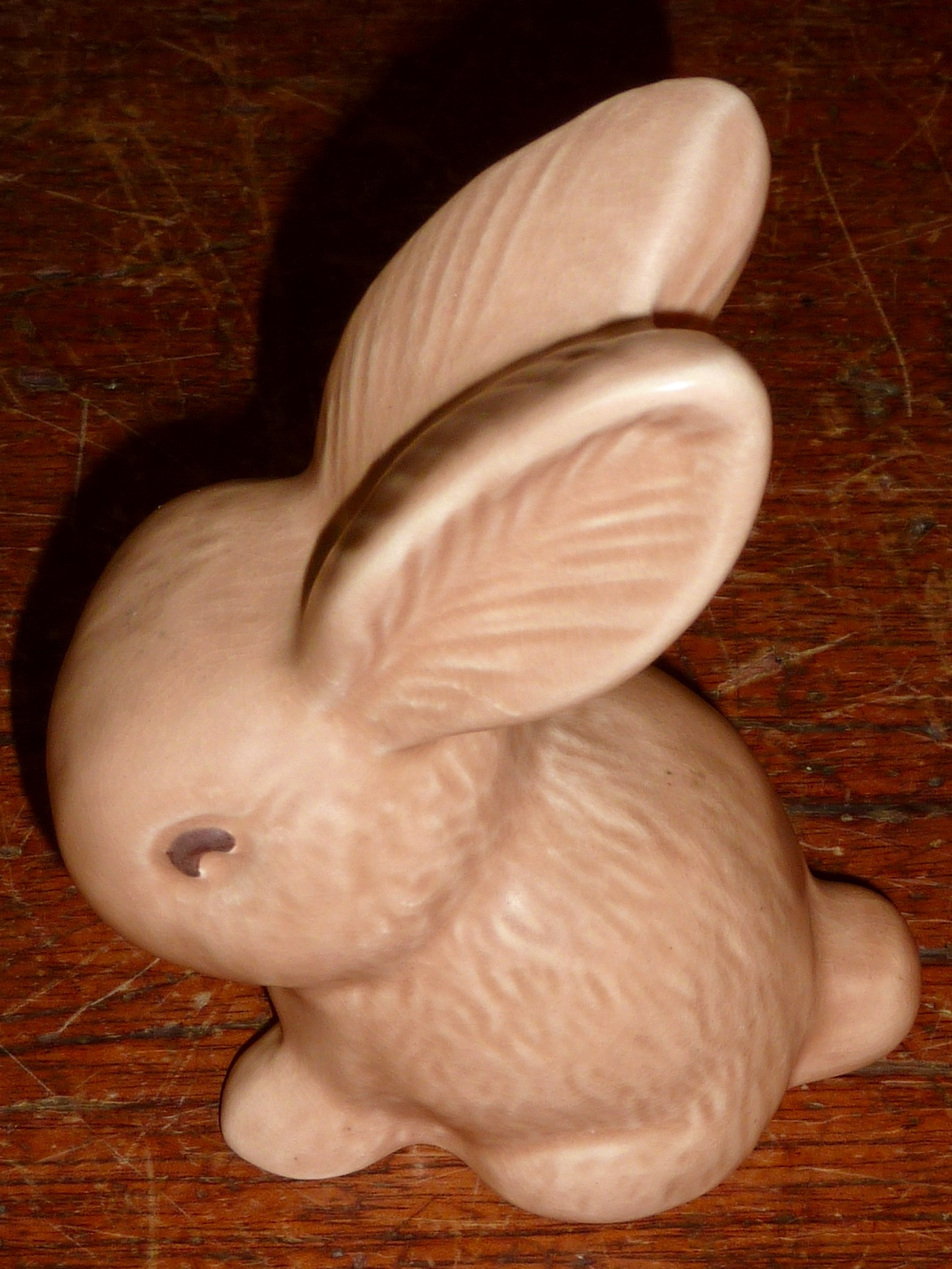
We built a collection of around 12,500 pieces of SylvaC and Falcon Ware.
That number is not a boast so much as a confession of how far the habit went. Living with that many pieces teaches you the range — the ordinary greens, the cellulose gnomes, the duplicates, the animals that never seem to turn up, the Falcon Ware that sits beside SylvaC and confuses every new collector including us, once.
Antique fairs became a calendar. Falcon Ware revealed itself as a related story, not a lesser one. We went to Stoke-on-Trent, walked the Gladstone Pottery Museum, and stood where the Shaw and Copestake works had been. Meeting other collectors and dealers mattered as much as any purchase: people who could date a mark by feel, or warn you off a copy before you had opened your wallet.
Collecting became a large part of our lives because it is social, visual, and unfinished. There is always another mould, another glaze, another conversation. We still buy what we like. We still walk past what we do not. The catalogue on this site is the founder's work; the years of looking, packing, and arguing about rabbits were ours.